Daraz vs Amazon – Which Platform Makes More Money in Pakistan?: E‑commerce in Pakistan has grown rapidly over the last decade. Platforms like Daraz and Amazon are among the most talked‑about destinations for buyers and sellers. But a key question many people ask is: which platform makes more money in Pakistan? In this article, we’ll explore both marketplaces, compare their revenue potential, and highlight how businesses and customers benefit (or struggle) with each.
We will also touch on the role of organizations like ICPC (International Chamber of Pakistan Commerce) in shaping e‑commerce policies and supporting digital growth in Pakistan.
Introduction to E‑commerce in Pakistan
E‑commerce refers to buying and selling goods or services using the internet. Globally, the trend has shifted from physical retail stores to online marketplaces. In Pakistan, this change has accelerated due to increased internet penetration, availability of affordable smartphones, and improved digital payment systems.
According to industry reports, Pakistan’s e‑commerce market is expected to grow significantly in the next decade as more people shop online, and more businesses adopt digital sales channels.
Two major players in this space are Daraz and Amazon. Both platforms allow sellers to reach customers digitally. But their business models, reach, and profitability are very different.
What Is Daraz?

4
Daraz is one of the largest online shopping platforms in Pakistan. It offers a variety of products ranging from electronics, fashion, groceries, home appliances, and more. Daraz was launched in 2012 and later acquired by Alibaba Group, a global leader in e‑commerce.
Key Features of Daraz
- Local marketplace focused on Pakistan
- Cash on delivery (COD) option — very popular
- Local seller integration and onboarding
- Frequent sales events (e.g., Daraz 11.11, 12.12)
- Delivery logistics supported through Daraz logistics
Daraz acts as a bridge between local sellers and Pakistani consumers. Many small businesses in Pakistan rely on Daraz to reach a nationwide customer base.
What Is Amazon?


4
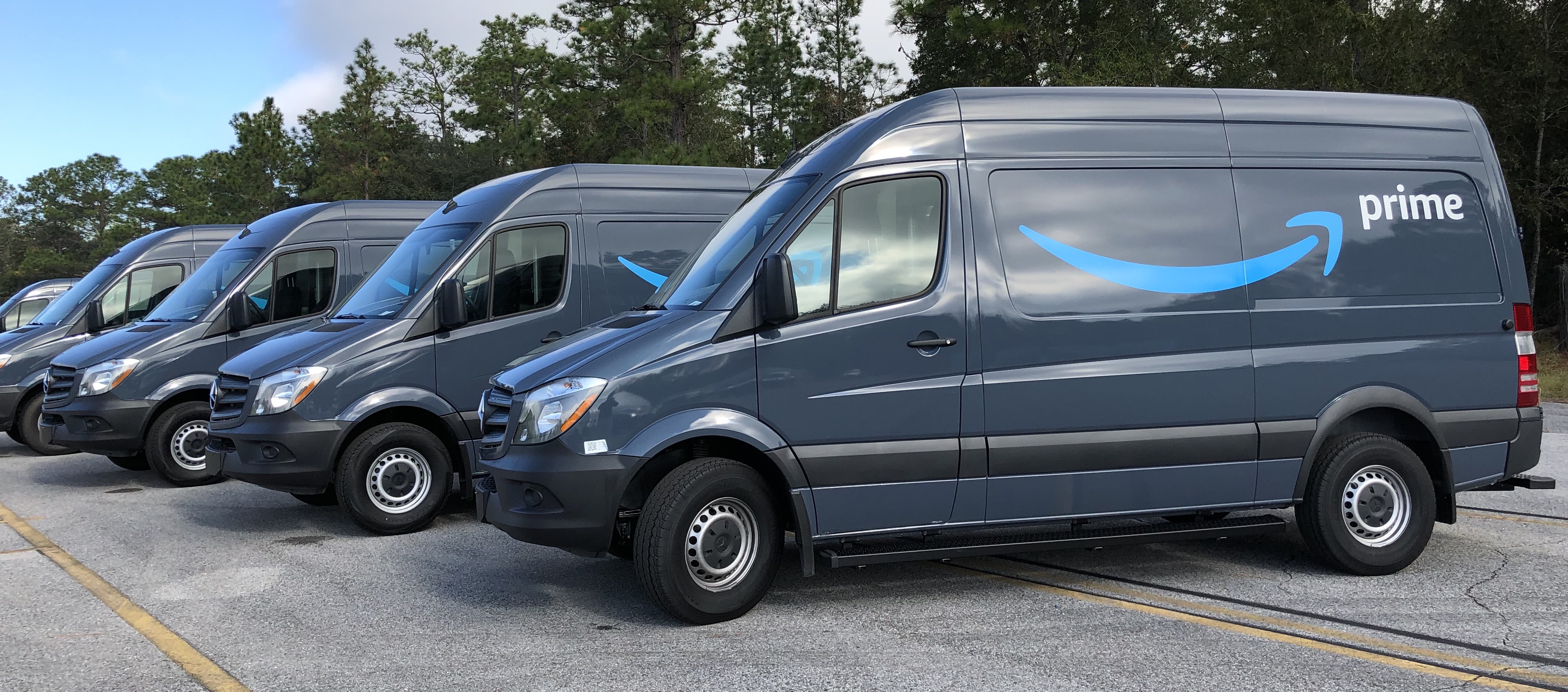
Amazon is a global e‑commerce giant founded in 1994 in the United States. It operates in many countries around the world, such as the United States, UK, Canada, India, UAE, and more.
Although Amazon does not have a fully localized marketplace in Pakistan, millions of Pakistanis access Amazon through:
- Amazon Global (international shipping)
- Third‑party reshippers
- Freelancers and businesses exporting goods
Key Features of Amazon
- Massive global customer base
- International seller support
- Advanced logistics and fulfillment services (FBA – Fulfillment by Amazon)
- High‑tech infrastructure
- Significant data analytics capabilities for sellers
Amazon’s ecosystem is broader and deeper than most e‑commerce platforms in Pakistan. However, its direct presence in Pakistan is limited compared to Daraz.
Revenue Models: Daraz vs Amazon
To understand which platform makes more money, we must look at how each platform earns revenue.
Daraz Revenue Model
Daraz generates income mainly through:
- Commission from Sellers
Sellers pay a percentage of every sale to Daraz as a commission fee. - Delivery and Logistics Fees
Daraz charges delivery fees (either from customers or sellers). - Advertising Services
Sellers can pay extra to promote their products on Daraz. - Service Charges
Fees for value‑added services like warehousing or premium seller support.
Amazon Revenue Model
Amazon earns revenue in multiple ways:
- Product Sales (Retail Operations)
Amazon directly sells products to customers. - Third‑party Seller Fees
Sellers using Amazon’s marketplace pay fees and commissions. - Fulfillment by Amazon (FBA)
Sellers can store goods in Amazon warehouses and pay fulfillment fees. - Amazon Prime
Subscription fees from users who get faster shipping and exclusive deals. - Advertising Business (Amazon Ads)
One of Amazon’s fastest‑growing revenue streams. - Amazon Web Services (AWS)
While not related to marketplace revenue, AWS contributes a large share of Amazon’s total profit.
How Daraz Makes Money in Pakistan
Daraz’s main revenue comes from local sellers who list products on its platform. In Pakistan, many small and medium enterprises (SMEs) benefit from Daraz’s reach.
Daraz Commission
Depending on the product category, Daraz charges a commission rate that can range from low‑ to moderate percentages. Electronics and high‑value categories usually have higher fees.
Logistics and Delivery
Daraz operates its logistics chain, and delivery charges form part of its income. Cash on Delivery (COD) remains a popular payment method in Pakistan, and processing COD orders involves higher operational costs.
Paid Advertising
Many sellers pay for sponsored listings to get better visibility, especially during big sale events.
Additional Services
- Return handling
- Warehouse storage
- Premium seller support
All these combine to make Daraz one of the most profitable local platforms.
How Amazon Generates Revenue In Relation to Pakistan
Even though Amazon does not run a dedicated marketplace in Pakistan, many Pakistanis buy from Amazon through international shipping or third‑party services.
Amazon Global Sales
Pakistani customers buy products from Amazon and pay:
- Product price
- International shipping
- Customs and duties
Amazon benefits from the product sale and international shipping fees.
Pakistani Sellers on Amazon
Some Pakistani exporters use Amazon to sell globally. Pakistani sellers set up international businesses and use Amazon’s platform to reach customers worldwide.
These exporters earn revenue, and Amazon takes a cut via seller fees and fulfillment charges.
Indirect Revenue
While Pakistan’s direct income to Amazon is not official, the indirect flow of money comes through international orders and global seller participation.
This means Amazon revenue generated in Pakistan is more indirect than Daraz.
Daraz vs Amazon: Which One Makes More Money in Pakistan?
Revenue in Local Economy
Daraz earns more direct revenue within Pakistan’s economy because:
- It has a localized platform
- Sellers and buyers operate within Pakistan
- Payments, delivery, and support are localized
Every purchase on Daraz contributes revenue streams to the local ecosystem.
Revenue through International Sales (Amazon)
Amazon’s revenue related to Pakistan is largely through:
- International orders from Pakistan
- Pakistani business owners selling on Amazon abroad
However, this revenue often goes to Amazon’s international financial ecosystem, not necessarily recorded inside Pakistan’s GDP or e‑commerce revenue statistics.
Key Comparison
| Criteria | Daraz (Local) | Amazon (Global) |
|---|---|---|
| Local presence | Strong | Limited |
| Revenue generated in PKR | High | Moderate |
| Direct income to Pakistan | Yes | Limited/Indirect |
| Seller accessibility | Easy | Technically complex |
| Cash on delivery | Supported | Not supported |
| Logistics infrastructure in Pakistan | Yes | Not owned |
From the above, it can be concluded that Daraz makes more money directly in Pakistan than Amazon. Amazon’s revenue related to Pakistan is strong, but indirect.
What Sellers Think: Daraz vs Amazon
Sellers on Daraz
- Easy onboarding for local businesses
- Quick setup
- COD support increases sales
- Local logistics reduces shipping issues
However, sellers sometimes complain about:
- High commission rates
- Delivery delays in remote areas
- Competitive pricing pressure
Sellers on Amazon
Pakistani sellers on Amazon need:
- International bank accounts
- Export documentation
- Shipping partners
Benefits include:
- Global customers
- Higher profit margins on international orders
- Access to advanced seller tools
Challenges include:
- Complex compliance rules
- Higher operational costs
- Exchange rates and international shipping fees
Customer Preferences: Daraz vs Amazon
Why Pakistani Customers Prefer Daraz
- Local currency transactions (PKR)
- Faster delivery within Pakistan
- Easy returns
- COD available
Why Some Prefer Amazon
- Wide international product range
- Exclusive items not available locally
- Global brands
But most customers prefer Daraz for routine purchases due to ease and convenience.
The Impact of Logistics on Revenue
Efficient logistics are key to e‑commerce success.
Daraz Logistics
Daraz has invested heavily in local logistics and distribution centers within Pakistan. This creates:
- Faster delivery times
- Lower shipping costs
- Better customer satisfaction
- Reduced return rates
All of these contribute to higher revenue because customers buy more when delivery is fast and reliable.
Amazon Logistics
Amazon’s logistics in Pakistan is not directly operational. Pakistani buyers rely on:
- Freight forwarders
- Third‑party shipping agents
- International postal services
These systems are slower and more expensive, which limits frequent personal use.
Hence, Daraz’s strong logistics network gives it a clear advantage in the Pakistani market.
Role of ICPC in E‑commerce Growth
The ICPC (International Chamber of Pakistan Commerce) and similar trade organizations play a role in shaping e‑commerce policies, advocating for:
- Fair trade regulations
- Support for local businesses
- Improvement in digital payment systems
- Export incentives for online sellers
ICPC works with government bodies to create a strategic framework that encourages foreign investment and supports local marketplaces like Daraz.
By facilitating dialogue between stakeholders, ICPC helps create policies that strengthen Pakistan’s digital economy. This indirectly impacts how platforms like Daraz and Amazon operate in the region.
Payment Methods: A Comparison
Daraz
- Cash on delivery (COD)
- Credit/Debit card payments
- Mobile wallets
- Bank transfers
COD remains a huge driver of sales because many customers in Pakistan still prefer paying after receiving products.
Amazon
- Credit/Debit cards (international)
- Amazon gift cards
- No COD support
Many Pakistanis face challenges using Amazon due to limited support for local payment methods, which affects revenue derived from Pakistani customers.
Challenges Facing E‑commerce in Pakistan
Despite rapid growth, several challenges remain:
1. Payment Barriers
Limited acceptance of international cards makes it harder for Pakistanis to shop on Amazon.
2. Shipping Costs
High shipping costs for international orders discourage frequent purchases.
3. Internet Reliability
Although internet usage is rising, rural areas still face connectivity issues.
4. Trust
Customers sometimes hesitate to buy from international platforms due to lack of local return support.
5. Competition
More local competitors are entering the market, challenging both Daraz and Amazon.
Future Outlook: Which Platform Will Grow Faster?
Daraz
Daraz is expected to keep growing in Pakistan due to:
- Local seller expansion
- Better logistics
- Increasing smartphone penetration
- Continuous marketing campaigns
Amazon
Amazon’s growth in Pakistan depends on:
- International marketplace penetration
- Better payment partnerships
- Local fulfillment centers (if introduced)
If Amazon decides to launch a localized Pakistan marketplace in the future, the competition will intensify.
Conclusion: Who Makes More Money in Pakistan?
After analyzing:
- Revenue models
- Seller experiences
- Customer behavior
- Logistics
- Payment systems
The conclusion is clear:
👉 Daraz currently makes more direct money in Pakistan than Amazon.
This is because of its localized approach, strong logistics, COD support, and seller ecosystem. Amazon’s contribution to Pakistan is real but indirect and relies heavily on global operations.
Daraz’s role will likely continue to expand as more Pakistanis adopt online shopping. Meanwhile, Amazon remains a major global opportunity for exporters and consumers seeking international products.
Both platforms are important, but in terms of direct revenue generation within Pakistan, Daraz leads the way.
FAQs
Q. Can Pakistani sellers sell directly on Amazon?
Yes, but they need international documentation, bank accounts, and shipping partners.
Q. Does Amazon have a marketplace in Pakistan?
Not yet. Most Pakistanis access Amazon globally.
Q. Is Daraz better than Amazon for local shoppers?
Yes, for most everyday purchases, Daraz is more convenient.
Q. Will Amazon enter Pakistan soon?
It’s possible, but there’s no official confirmation yet.