Mechanical Engineers Jobs In UAE: Roles, Skills, Careers, and Future Outlook
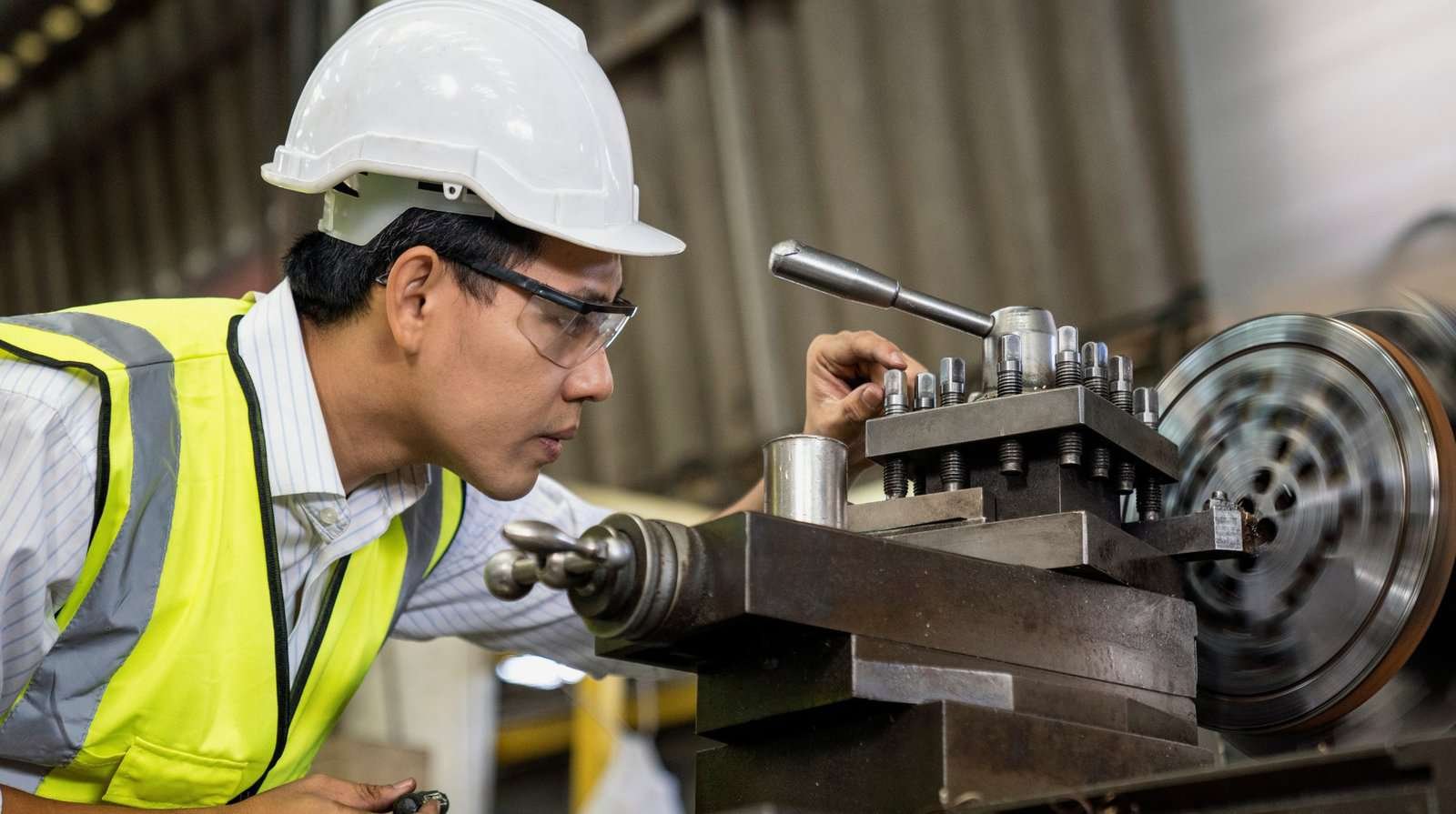
Mechanical engineering is one of the oldest and broadest engineering disciplines, playing a central role in designing, building, and maintaining the systems and machines that power modern life. From engines and robotics to HVAC systems and renewable energy technologies, mechanical engineers are at the heart of innovation across industries.
🛠️ What Do Mechanical Engineers Do?
Mechanical engineers apply principles of physics, mathematics, and materials science to design and manufacture mechanical systems.
Core responsibilities include:
- Designing mechanical components and systems
- Analyzing performance and efficiency
- Testing prototypes and improving designs
- Overseeing manufacturing processes
- Maintaining and repairing machinery
They often work with tools like:
- CAD software (AutoCAD, SolidWorks)
- Simulation tools (ANSYS)
- Manufacturing systems
🏗️ Key Areas of Specialization
Mechanical engineering is extremely diverse. Common specializations include:
1. HVAC (Heating, Ventilation, and Air Conditioning)
- Designs climate control systems for buildings
- High demand in construction and real estate sectors
2. Automotive Engineering
- Works on vehicles, engines, and electric mobility
- Growing focus on EV (electric vehicle) technology
3. Manufacturing & Production
- Improves production processes and efficiency
- Works in factories and industrial plants
4. Robotics & Automation
- Designs automated systems and robots
- Rapidly expanding due to Industry 4.0
5. Energy Systems
- Works in oil & gas, power plants, and renewable energy
- Includes solar, wind, and thermal systems
💼 Industries That Hire Mechanical Engineers
Mechanical engineers are needed across many sectors:
- Construction and infrastructure
- Oil and gas
- Manufacturing and factories
- Automotive and transport
- Aerospace
- Renewable energy
- HVAC and building services
👉 This wide applicability makes it one of the most versatile engineering careers.
💰 Salary Expectations (Global Overview)
Salaries vary widely depending on country, experience, and specialization.
Typical ranges:
- Entry-level: $40,000 – $70,000/year
- Mid-level: $70,000 – $100,000/year
- Senior-level: $100,000+
In regions like the Middle East (e.g., UAE):
- Entry-level: AED 4,000 – AED 8,000/month
- Mid-level: AED 8,000 – AED 18,000/month
- Senior: AED 20,000+
👉 Specialized roles (e.g., oil & gas, robotics, AI-integrated systems) often pay significantly more.
🎯 Skills Required to Become a Mechanical Engineer
Technical skills:
- Thermodynamics
- Fluid mechanics
- Material science
- CAD and simulation software
- Manufacturing processes
Soft skills:
- Problem-solving
- Analytical thinking
- Communication
- Team collaboration
🎓 Education and Qualifications
To become a mechanical engineer, you typically need:
- Bachelor’s degree in Mechanical Engineering
- Internships or practical experience
- Certifications (optional but valuable), such as:
- Project Management Professional (PMP)
- CAD certifications
- Industry-specific licenses
📈 Demand and Job Outlook
Mechanical engineering remains consistently in demand, but the field is evolving.
Growing areas:
- Renewable energy
- Electric vehicles (EVs)
- Robotics and automation
- Smart manufacturing (Industry 4.0)
Declining areas:
- Traditional manufacturing roles are becoming automated
👉 Engineers who adapt to new technologies have strong job security and growth potential.
🚀 Career Path
Typical career progression:
- Junior Mechanical Engineer
- Design/Project Engineer
- Senior Engineer
- Engineering Manager
- Director or Consultant
Some engineers also move into:
- Entrepreneurship
- Research and development
- Teaching and academia
⚠️ Challenges in the Field
Mechanical engineering is rewarding but comes with challenges:
- Highly competitive job market in some regions
- Need for continuous skill upgrading
- Physically demanding roles in industrial environments
- Pressure to meet deadlines and safety standards
🌟 Advantages of Being a Mechanical Engineer
- Wide career opportunities across industries
- Strong earning potential
- Ability to work globally
- Opportunity to work on innovative technologies
🔮 Future of Mechanical Engineering
The future of mechanical engineering is closely tied to technology:
- Integration with AI and data analytics
- Growth in sustainable engineering
- Increased automation and robotics
- Smart systems and IoT-based machines
👉 Mechanical engineers who combine traditional engineering skills with digital knowledge will be the most successful.
🧠 Final Thoughts
Mechanical engineering is a versatile and future-proof career with opportunities in nearly every industry. However, success in this field increasingly depends on:
- Specialization
- Technical software skills
- Adaptability to new technologies
It’s not just about machines anymore—it’s about intelligent systems, sustainability, and innovation.